The money left on your checkout page
By Emmanuel O. Awefada · 16 September 2026 · 5 min read
Order bumps, one click upsells and abandoned checkout recovery. The easiest revenue in your business sits in the thirty seconds after a purchase.
You spent money getting somebody to the checkout. They typed their card details. They pressed buy. And then, for most businesses, the relationship pauses until the next campaign.
That moment, the thirty seconds after a purchase, is the easiest revenue in your business. The trust question is already settled. The payment details are already there. The buyer is already in a buying frame of mind, which is a state you normally have to spend weeks and a lot of money creating.
Here is how to use it without turning your checkout into a carnival.
Three mechanics, three different jobs
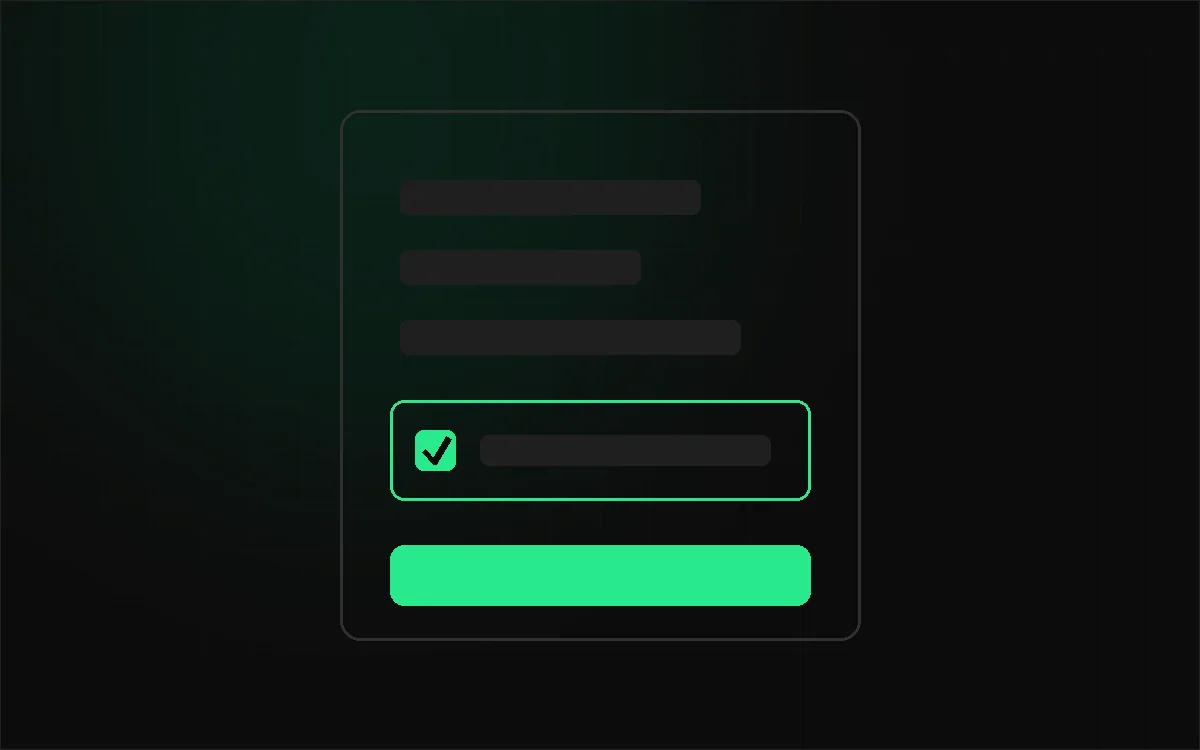
- The order bump. A small optional extra on the checkout page itself, usually a tick box beside the total. It should be cheap relative to the main purchase and obviously related to it. The right bump feels like a helpful reminder rather than a sales pitch.
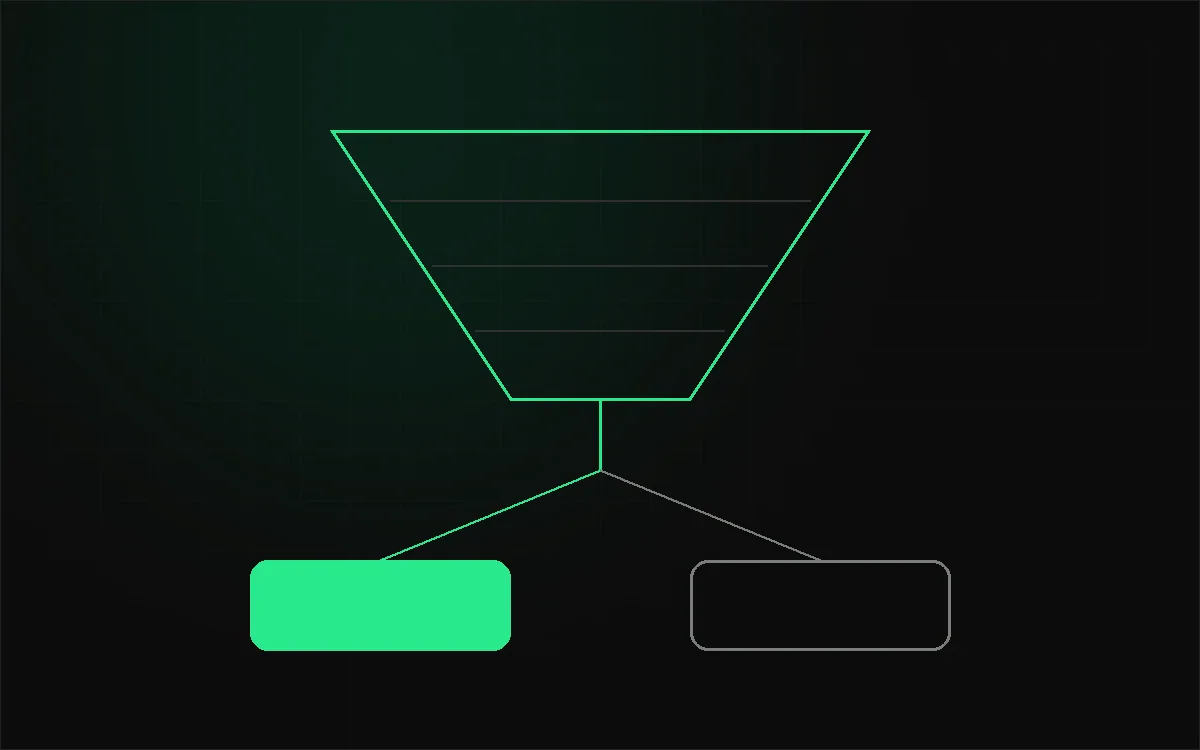
- The one click upsell. An offer shown immediately after the purchase completes, which the buyer can accept without entering payment details again. That is the whole trick. Removing the card re entry is what makes the difference between a nice idea and real revenue.
- The downsell. What you show if they decline the upsell. Usually the same outcome at a smaller scale or a lower price. Not everybody says no because they are uninterested. Many say no because of the number.
Most businesses run none of these. The ones that run all three in a sensible order typically raise their average order value substantially without touching traffic.
What makes a bump work
Keep it under roughly a quarter of the main price. Above that it stops being an easy yes and starts being a second decision, which is exactly what you are trying to avoid at checkout.
Make it complete the job they came for. Somebody buying a course wants the templates. Somebody buying a strategy session wants the recording and the written summary. Somebody buying a service wants faster turnaround.
Write it in one short paragraph with a clear price and a clear benefit. The bump is not a sales page. If it needs persuading, it is the wrong bump.
What makes an upsell work
The upsell should be the natural next step, not a random second product.
If they bought the thing that solves the immediate problem, the upsell is the thing that solves the problem that appears next. If they bought a single session, the upsell is the package. If they bought a template, the upsell is the implementation.
Two rules save you from the most common mistakes. Keep it to one, because a chain of four offers after a purchase makes people regret the first one. And make it genuinely useful, because refunds and resentment cost more than the extra revenue.
Say plainly what happens if they decline. A buyer who is worried they will lose their original purchase by clicking no will click nothing at all, close the tab, and start their relationship with you in confusion.
One step or two at checkout
There are two shapes of order form and the right one depends on the price and the buyer.
A one step form puts everything on one screen, contact details and payment together. Less friction, fewer moments to abandon, good for low prices, returning buyers and mobile traffic.
A two step form collects contact details first, then payment. It feels lighter to start, and it has a hidden advantage. You captured the email on step one, so if they abandon on step two you can follow up. With a one step form, an abandonment is silent.
For anything above a modest price, I generally prefer two step for exactly that reason. The recovery sequence pays for the extra click many times over.
Recover the ones who stop
An abandoned checkout is not a lost sale, it is an interrupted one. People get distracted, a card gets declined, a child shouts, a train arrives.
One message within the hour, friendly and specific, referencing what they were buying, with a direct link back to the checkout. A second the next day if nothing happened. That is the whole sequence, and it routinely recovers a meaningful share of what would otherwise disappear.
Do not offer a discount in the first message. You will train people to abandon.
Make the receipt do some work
The confirmation email gets opened more than anything else you ever send. Most businesses use it to say nothing.
Confirm exactly what they bought and what happens next, with dates. Tell them how to reach a human if something is wrong. Then add one small next step, which might be booking their onboarding call, joining the community, or reading the one thing that will make their purchase work faster.
That last line quietly increases the number of customers who succeed, and customers who succeed are the ones who buy again and refer.
Watch these four numbers
- Average order value. The headline number, and the one every change should move.
- Bump take rate. What share of buyers tick the box.
- Upsell take rate. What share accept the offer after paying.
- Refund rate. The guard rail.
The fourth one is the guard rail. If your upsell take rate is climbing and your refund rate is climbing with it, you are not selling well, you are pressuring people. Back off and change the offer rather than the persuasion.
What good looks like
The same number of buyers produces more revenue. Your cost per acquisition stays where it was, which means the margin per customer goes up and you can afford to bid more for traffic than your competitors.
Nothing about this requires manipulative copy or artificial urgency. It requires noticing that the best moment to offer somebody something useful is right after they decided to trust you.
What to do next
Write down what your customer needs immediately after buying the thing they just bought. Not what else you sell. What they need next. That is your upsell, and it usually already exists inside your service.
If you want the checkout, the bump, the upsell and the recovery sequence built as one connected path, bring me your current flow and we will map it.
Want this built properly the first time? Bring me what you have now and we will map it together.
- Offers
- CRO